
The Quiet Revolution of Milk Frothers in Home Coffee Culture
The texture of properly frothed milk transforms coffee from a simple caffeine delivery system into an experience worth savoring. Cafés charge premium prices partly because they create microfoam that enhances both flavor and mouthfeel, but this technique no longer requires professional equipment. A milk frother brings that capability into home kitchens, turning ordinary coffee into lattes, cappuccinos, and macchiatos that rival coffee shop quality. Beyond fancy drinks, frothed milk improves hot chocolate, matcha lattes, and even protein shakes by creating airiness that changes how these beverages feel and taste. For anyone who regularly adds milk to coffee or wants to explore café-style drinks without leaving home, understanding what milk frothers offer and how they work reveals opportunities to upgrade your daily coffee routine.
Frothing Mechanisms and Results
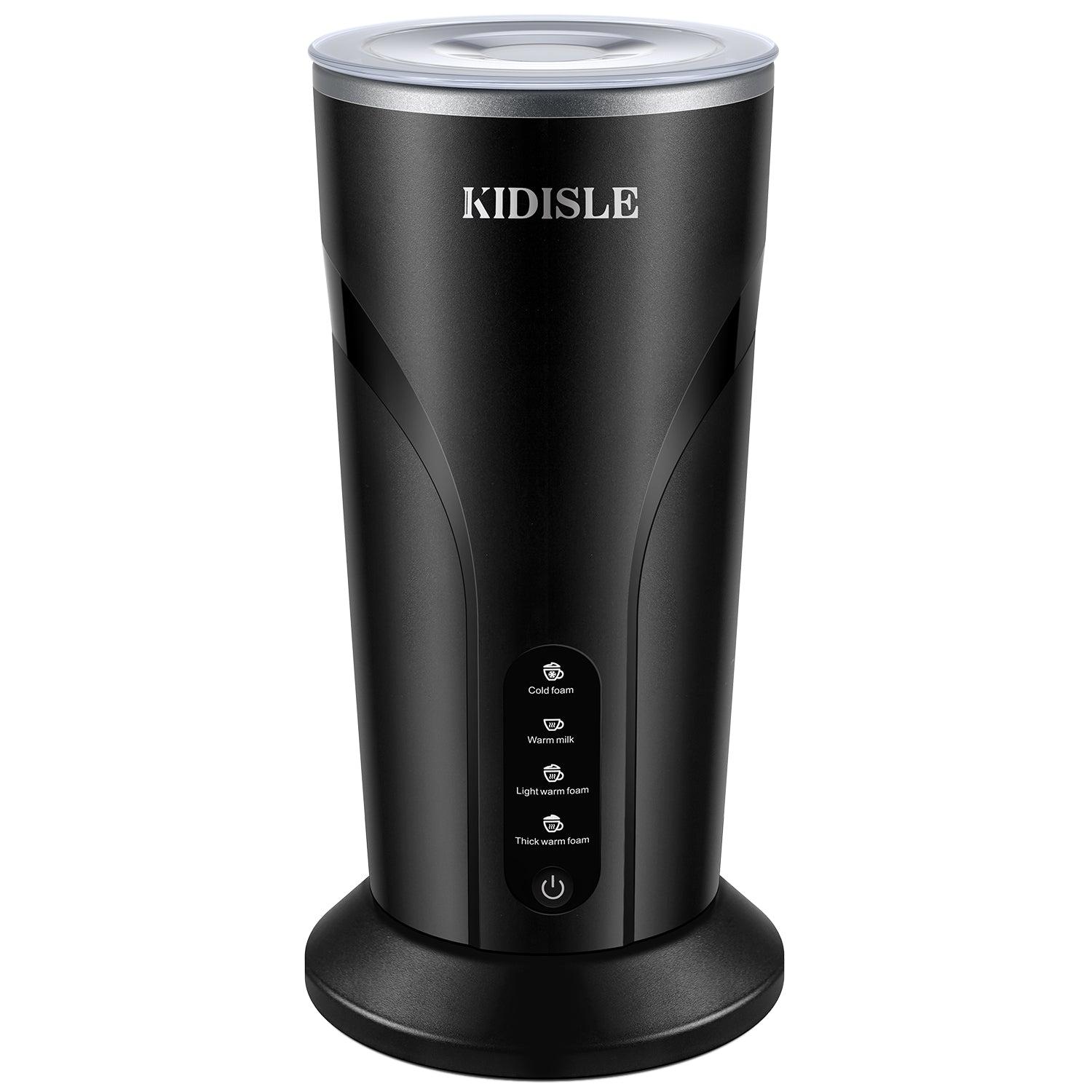
A milk frother creates foam by incorporating air into milk while heating it to the ideal temperature. Electric frothers use whisk mechanisms or induction heating to agitate milk, creating bubbles that give drinks their characteristic foam layer. Handheld frothers spin a small whisk at high speed, generating foam through surface agitation. Automatic models heat and froth simultaneously, producing consistent results with minimal involvement.
The quality of foam depends on several factors. Milk temperature affects texture—too hot and proteins break down, too cool and foam doesn’t stabilize properly. The ideal range sits between one hundred forty and one hundred fifty-five degrees Fahrenheit. Fat content influences foam structure, with whole milk producing richer foam while skim milk creates more volume but less creamy texture. Milk freshness matters because older milk proteins don’t foam as effectively. Non-dairy alternatives like oat, almond, and soy milk froth differently, with barista-blend versions specifically formulated for better foam stability.
Automatic Versus Manual Control
Automatic milk frothers handle both heating and frothing with preset programs. You pour in milk, press a button, and receive finished foam in two to three minutes. These models offer convenience and consistency, producing repeatable results without technique required. They typically include settings for different foam densities—thick cappuccino foam versus thinner latte microfoam. Some models heat milk without frothing for drinks like flat whites or hot chocolate that need warm milk without excessive foam.
Handheld frothers provide more control but require practice. You heat milk separately, then insert the whisk and move it strategically to create desired foam. This approach costs less and takes minimal storage space—most handheld frothers fit in a drawer. The tradeoff involves learning proper technique and accepting less consistent results until you develop skill. However, experienced users often prefer handheld models because they can adjust foam texture on the fly based on specific drinks or personal preference.
Practical Drink Applications
Frothed milk elevates numerous beverages beyond standard coffee. Lattes require heated milk with thin microfoam that creates the canvas for latte art. Cappuccinos need thicker, drier foam that sits on top rather than mixing through the drink. Macchiatos use just a dollop of foam to mark espresso. Each drink has traditional proportions, but home preparation allows customization—more foam if you prefer it, less if you want stronger coffee flavor.
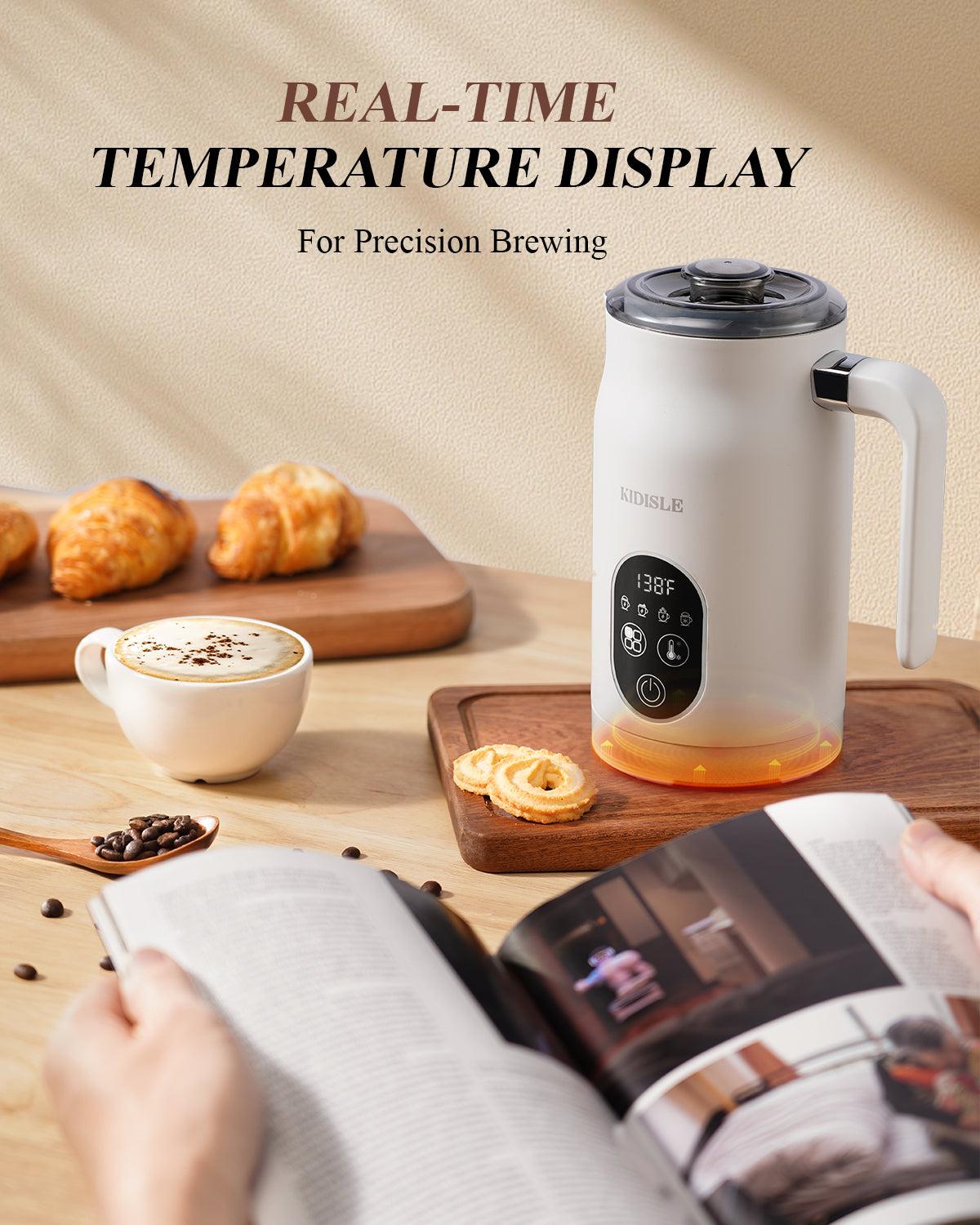
Matcha lattes benefit from frothed milk that balances the tea’s slight bitterness with creamy sweetness. Hot chocolate achieves café quality when topped with milk foam instead of stirring cold milk into hot cocoa. Golden milk, chai lattes, and other spiced beverages gain sophistication through proper milk preparation. Even cold drinks like iced lattes improve when you froth milk first—cold foam adds texture that plain milk can’t provide. Brands like SHARDOR design frothers that handle both hot and cold applications.
Capacity and Kitchen Fit
Frother capacity determines how many drinks you can make at once. Single-serving models hold enough milk for one latte or cappuccino, around four to six ounces. Family-size units accommodate eight to twelve ounces, producing foam for multiple drinks or extra-large servings. Consider your typical use—if you’re making coffee for yourself each morning, compact capacity suffices. If you’re serving multiple people or entertaining, larger capacity prevents running multiple batches.
Countertop automatic frothers occupy more space than handheld models but often feature more attractive designs meant for permanent display. Some match espresso machine aesthetics, creating a cohesive coffee station. Others prioritize compact footprints that tuck into corners when not actively used. Cleaning accessibility affects daily convenience—removable parts that wash easily encourage regular use, while complicated cleaning discourages it. Dishwasher-safe components simplify maintenance, though non-stick interiors usually just need rinsing after use.
Cost Versus Coffee Shop Savings
A basic handheld frother costs less than ten coffee shop lattes. Automatic models represent roughly fifteen to thirty drinks worth of coffee shop savings. If you currently buy specialty coffee drinks regularly, the equipment pays for itself quickly. Beyond immediate savings, having a frother changes behavior—you experiment with different drinks, customize recipes to your taste, and develop skills that make home coffee more satisfying.
The investment extends beyond money to include time and kitchen space. Morning routines adapt to include frothing, which adds a minute or two compared to pouring plain milk. The ritual becomes part of the coffee experience for many people, transforming a rushed necessity into a brief morning pleasure. Others find the extra step annoying and abandon the frother after initial enthusiasm wanes. Success depends on whether you value the drink quality improvement enough to maintain the slightly more involved process.
Elevating Daily Coffee Rituals
A milk frother bridges the gap between basic home coffee and café quality without requiring barista training or expensive espresso equipment. The tool succeeds when it matches your actual coffee habits rather than aspirational ones. If you genuinely enjoy milk-based coffee drinks and currently settle for inferior versions at home or spend heavily at coffee shops, a frother delivers tangible improvements to your daily routine. The best investment isn’t necessarily the most expensive or feature-rich model, but the one you’ll actually use consistently because it fits your space, workflow, and the types of drinks you prefer.