
How Online Sellers Are Building Stores Without Developers
Selling online has never been more accessible, but the gap between having a product worth selling and having a store that actually converts visitors into buyers is wider than most people expect when they start. The technical barrier has dropped significantly over the last few years, but it has not disappeared entirely and the sellers who move fastest are the ones who have found tools that remove what remains of it. Enter Pro has been genuinely useful for online sellers at every stage, from first product to growing catalog, and the emergence of tools like an AI website generator has changed the starting point entirely for people who previously assumed building something professional requires either a developer or months of learning a platform from scratch.
What the First-Time Seller Actually Needs to Know
Most advice about selling online is written for people who already have some experience with it. It assumes familiarity with terms like conversion rate, bounce rate, abandoned cart, and product-market fit that mean very little to someone who is simply trying to figure out how to get their first sale.
The honest starting point is simpler than most guides make it. You need a place for people to see your product clearly, understand what it costs, trust that buying from you is safe, and complete a purchase without friction. Everything else: the marketing strategy, the email sequences, the upsell flows, comes after you have the foundation working.
Getting that foundation right is harder than it sounds because it requires decisions about platform, design, product presentation, and payment processing that all interact with each other and where a wrong choice early creates significant work to undo later.
The Psychology of the First-Time Online Buyer
Understanding how someone who has never bought from you before experiences your store changes almost every decision you make about how to build it.
A first-time visitor to an unfamiliar online store arrives with a baseline level of skepticism that is entirely rational. They do not know you. They cannot see the product in person. They are being asked to hand over payment information to a business they discovered minutes ago. Every element of your store is either reducing that skepticism or compounding it.
Trust signals are not optional decoration on an e-commerce site. They are structural. A clear returns policy displayed before checkout. Real customer reviews with specific details rather than generic five-star ratings. A visible physical address or contact number. Secure payment badges that confirm their card details are protected. Each of these signals individually is small. Together they create the cumulative sense of legitimacy that moves a hesitant browser to a confirmed buyer.
Choosing the Right Ecommerce Platform Before You Build Your Catalog
This decision deserves more attention than most first-time sellers give it. The platform you start on tends to stick because moving a live store with product listings, customer data, order history, and SEO-established URLs to a different platform is genuinely painful and time-consuming.
Spending an hour reading through a thorough comparison of the best ecommerce website builder options before committing will reveal differences that are not obvious from homepage marketing. Transaction fees that compound significantly as volume grows. Inventory management systems that work well for ten products and break down at a thousand. Mobile checkout experiences vary dramatically between platforms and directly affect conversion rates. Understanding these differences before you build means your platform grows with your business rather than becoming a constraint on it.
Why AI Tools Are Changing the Starting Point for New Sellers
The practical barrier to launching an online store has shifted considerably with the emergence of AI-powered building tools. What previously required, either technical knowledge or significant time investment in learning a platform can now be handled in a fraction of the time by tools that understand what you are trying to build and make reasonable decisions about structure, layout, and content organization on your behalf.
This does not mean removing the human judgment that makes a store feel distinctive and trustworthy. It means removing the technical friction that is used to consume the time and energy that should be going into product development, customer relationships, and the business decisions that actually determine whether a store succeeds.
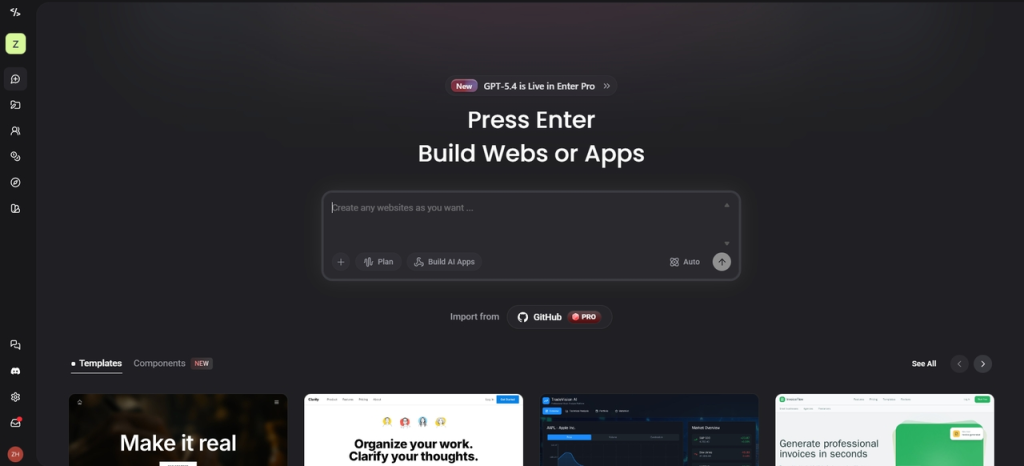
Enter Pro has integrated these capabilities in a way that gives sellers the speed of AI assistance without sacrificing control over the final result that matters for building something that genuinely reflects the brand rather than feeling generically assembled.
Product Photography That Does the Work of a Physical Store
In a physical retail environment, customers pick products up, examine them closely, feel the weight and texture, and make purchasing decisions with sensory information that online stores cannot provide. Product photography is the only tool an online seller has for replacing that sensory experience and most first-time sellers significantly underinvest in it.
A smartphone with good natural light and a clean background produces better results than most people expect. The non-negotiables are multiple angles, including close-ups of any detail that matters to the buying decision, at least one lifestyle or in-use shot that helps the buyer imagine the product in their own life, and honest representation of color and scale that reduces returns by ensuring buyers know exactly what they are getting.
Beyond standard product shots, video is increasingly the format that converts hesitant buyers. A fifteen second clip showing a product in use communicates in ways that even excellent photography cannot and the production bar is genuinely low for most product categories.
Extending Your Store With an App When You Are Ready
There is a point in the growth of many online stores where a mobile app starts making commercial sense. Not at launch, not in the early months, but when repeat purchase rates are high enough that a dedicated mobile experience creates genuine value for your most loyal customers.
The conventional assumption that building an app requires a development team and a significant budget is being challenged by tools like an app maker AI that bring app creation within reach of sellers who understand their customers well but have no technical background. The sellers who benefit most from this capability are those with strong repeat purchase businesses where the convenience of a dedicated app meaningfully improves customer experience rather than simply replicating the mobile website in a different container.
Conclusion
Building an online store that consistently converts visitors into buyers is equal parts technical foundation, psychological understanding, and genuine product presentation. The tools available to first-time sellers today make the technical part more accessible than it has ever been. What remains irreplaceable is the human judgment about who you are selling to, what they need to believe before they buy, and how your product genuinely improves their life in some way. Get those questions answered clearly and the store becomes the vehicle for communicating the answers. Get it wrong and no amount of technical sophistication makes up for the gap.