
Poker Terminology Every New Player Should Know
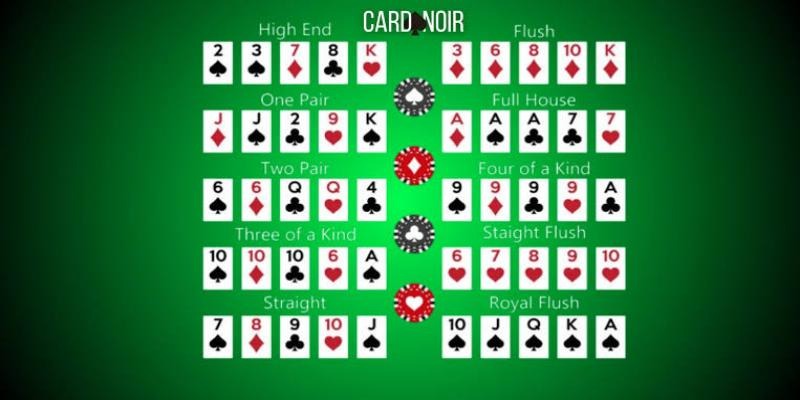
Poker Terminology is the first genuine barrier at any table, because a hand moves quickly and nobody pauses to explain what a three bet means. Learning the vocabulary early removes hesitation and lets you focus on decisions instead of definitions. This glossary from KING88 covers the language of betting actions, table geography and the shorthand players use when discussing hands.
The Language Of Betting Actions
Betting words that appear in Poker Terminology guides
At KING88 , Every decision at the table has a name, and those names appear constantly in strategy articles, training materials, hand histories, and live commentary. Getting them straight prevents costly misclicks online and awkward pauses in a card room.
More importantly, understanding these terms allows players to interpret what is happening in a hand without stopping to translate unfamiliar jargon. Start with the core vocabulary before moving into advanced concepts such as ranges, expected value, or exploitative play.
Basic Actions At The Table
Check means passing the action without wagering additional chips, and it is available only when nobody has placed a bet before you during the current betting round. Checking does not mean leaving the hand; you remain active and can still respond to later action.
Call means matching the current wager. If an opponent bets 10 chips, calling requires you to contribute 10 chips, assuming you have not already put that amount into the pot during the street. A call keeps your hand alive without increasing the size of the current wager.
Raise increases the amount that opponents must match to continue. If a player bets 10 chips and you raise to 30, anyone who wants to remain in the hand must generally call the new 30-chip amount or raise again. Raises can be used with strong hands, drawing hands, or bluffs depending on the situation.
Fold means surrendering the hand and giving up any further claim to the pot. Chips already placed into the pot remain there, so folding is a decision about whether continuing is worth the additional investment. These four words form a large part of the Poker Terminology used throughout a session.
Raise Sizing Vocabulary
A continuation bet, shortened to c bet, is a wager made by the player who raised before the flop. A three bet is the second raise in a betting round, and a four bet follows it. An over bet exceeds the size of the pot, while a probe bet comes from a player who checked on the previous street. Understanding this Poker Terminology makes strategy discussion far easier to follow.
Pot And Stack Language
The pot holds all wagered chips. Effective stack refers to the smaller of two stacks in a confrontation, since neither player can win more than that. Pot odds compare the cost of a call against the potential return, and implied odds account for chips you expect to win on later streets. Committed describes a player whose stack is too invested to fold profitably.
Positions, Streets And Hand Structure
Table positions explained through Poker Terminology
Where you sit relative to the dealer button determines how much information you hold when acting. That single factor influences more decisions than card strength alone. Learning the seat names makes strategy advice immediately usable.
Seats Around The Table
The button acts last after the flop and holds the strongest position. Small blind and big blind sit immediately left of the button and post forced wagers. Under the gun acts first before the flop. Cutoff and hijack sit to the right of the button, both considered late position seats where wider opening ranges make sense.
The Betting Streets
Preflop covers the action before any community cards appear. The flop reveals three shared cards, the turn adds a fourth and the river completes the board. Showdown occurs when remaining players reveal their holdings. Each street carries its own strategic considerations, and most Poker Terminology discussions specify which one they concern.
Hand Description Shorthand
Suited connectors are consecutive cards of the same suit, such as seven and eight of hearts. A pocket pair means two matching cards in your hand. Nuts describes the strongest possible holding on a given board. Drawing dead means no remaining card can rescue the hand.
Slang You Will Hear At Any Table

Casual expressions common in Poker Terminology
Beyond the technical vocabulary sits a layer of informal language that appears constantly in conversation and video content. It carries genuine meaning rather than decoration. Recognising it helps you read table dynamics quickly.
Player Type Labels
A nit plays extremely tight, entering few pots and folding under pressure. A fish makes consistent fundamental errors and represents the profit source at any table. A shark hunts weaker opponents deliberately. Loose aggressive and tight aggressive describe the two dominant winning styles, abbreviated as LAG and TAG.
Outcome Expressions
A bad beat occurs when a strong hand loses to an unlikely draw. Tilt describes emotional play following frustration, and it costs more money than any technical leak. Running hot or cold refers to short term variance. Cooler describes a situation where two very strong hands collide and losing was unavoidable.
Table Talk And Etiquette
Slowroll means delaying a winning reveal to irritate an opponent, considered poor manners everywhere. Angle shooting covers technically legal moves designed to mislead. String bet describes an improperly announced raise made in multiple motions. Familiarity with this Poker Terminology protects newcomers from accidental breaches at live tables. Practice tables on KING88 offer a low pressure environment to absorb the vocabulary naturally.
Final Thoughts
Poker Terminology becomes second nature within a few sessions once you stop treating it as a memorisation exercise and start hearing it in context. Focus first on betting actions and positions, then absorb the slang gradually through play and strategy content. Explore the cash tables and tournaments on KING88 COM , keep this Poker Terminology reference open beside you, and let the language settle in while you concentrate on making better decisions.