
Professional Posture Corrector Manufacturer Guide
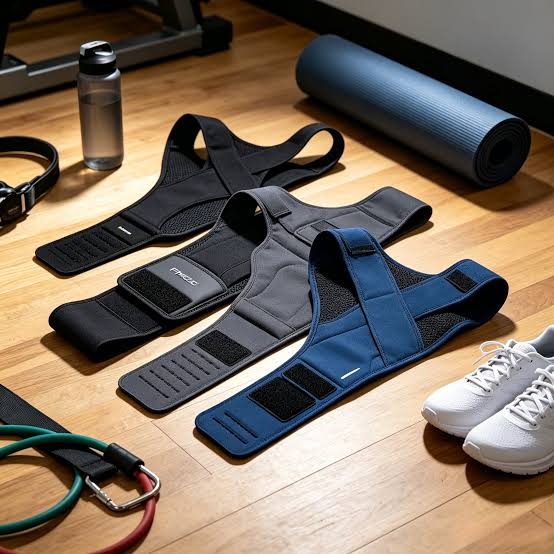
For brands entering the orthopedic support market, product quality depends heavily on the factory behind the label. A professional posture corrector manufacturer should do more than sew straps and attach a logo. The right partner should help refine fit, materials, support levels, sizing, packaging, and production controls. These details affect comfort, durability, customer reviews, and repeat sales.
A buyer also needs a factory that can move from an early idea to a consistent production run. That means clear sampling steps, reliable communication, documented quality checks, and enough flexibility to support new product variations.
What Buyers Should Expect From a Brace Manufacturer
Brace manufacturing combines textile work, functional design, and user comfort. A posture corrector may look simple, but small design choices can change how it feels after several hours of wear. Strap width, elastic strength, padding thickness, stitching, and adjustment range all matter.
A capable supplier should explain why each material or component suits the intended user. A lightweight model for office use may need breathable mesh and soft edges. A more supportive model may use reinforced panels, stronger elastic, or extra adjustment points.
Buyers should also ask how the factory tests samples. Fit, strap security, seam strength, material consistency, and repeated adjustment should all be checked before a large order begins.
Why a Professional Posture Corrector Manufacturer Adds Value
A professional posture corrector manufacturer can support product development from concept through bulk production. This is useful for private-label brands that need more than a standard catalog item.
AOFIT states that it has produced braces and supports since 2007. Its site describes three production bases, OEM and ODM services, plus customization for materials, sizes, colors, logos, components, and packaging. It also lists ISO 13485 and BSCI certifications and says it can support products designed for several international compliance requirements.
These capabilities matter because buyers often need several teams working together. Designers focus on fit and function, sourcing teams watch cost and lead time, and marketing teams need packaging and brand details. A manufacturer that coordinates these needs can simplify product development.
Material Selection Should Match the Product’s Use
Materials should not be chosen only by price. The intended activity, climate, wear time, and support level should guide the decision.
Breathable mesh can reduce heat during extended wear. Stretch fabrics allow movement and can improve fit across different body shapes. Foam padding may protect pressure areas, while stronger woven sections can add structure. Products may also use hook-and-loop closures, buckles, stays, or molded parts.
AOFIT lists knitted, stitched, and composite fabric options, along with support stays, adjustment systems, foam pads, and anti-slip features. These choices show why buyers should define the product purpose before approving materials.
The same principle applies to wrist supports. A premium custom wrist brace manufacturer may need to balance stabilization with hand movement for sports, work, nighttime support, or recovery use. A rigid design can offer more control, while a flexible wrap may suit users who need mobility.
Fit and Sizing Can Decide Customer Satisfaction
Poor sizing creates returns even when materials are good. Brands should request a clear size chart and understand how measurements were selected.
A posture corrector needs enough adjustment for different shoulder widths and torso shapes. Straps should provide useful tension without digging into the skin. Edges should sit smoothly, and high-friction areas may need softer binding or padding.
Before mass production, buyers should test samples on different body types. Testing should cover sitting, standing, walking, and normal arm movement. A product that feels comfortable for five minutes may become irritating after an hour.
Sampling Is Where Problems Get Fixed
A strong sampling process gives buyers time to correct design issues before production. The first sample should be treated as a working version, not the automatic final product.
AOFIT describes a process that can include design review, material selection, prototyping, testing, and refinement. Its site also says clients can review 2D or 3D drawings before a physical sample is made.
During review, buyers should give specific feedback. Instead of saying a strap feels wrong, state whether it is too short, narrow, elastic, or poorly positioned. Clear notes help the factory reproduce approved changes.
Quality Control Needs More Than Final Inspection
Quality problems often begin before finished goods reach the packing table. Material variation, cutting errors, uneven stitching, weak fasteners, and incorrect labels can all affect an order.
A reliable factory should check materials before production and inspect work at key stages. AOFIT says its quality system uses multiple inspection checkpoints and dedicated quality staff. It also lists tensile testers, precision gauges, and needle detection equipment.
Buyers should define their own acceptance standards too. A purchase specification can cover dimensions, tolerances, logo position, color references, stitching, packaging, and functional tests. The approved sample should remain the reference for bulk goods.
OEM and ODM Services Serve Different Needs
OEM often fits brands that already have a defined concept or specification. ODM can suit buyers who want the factory to contribute more design and development work.
A new seller may start with an existing brace structure and customize colors, branding, packaging, and selected features. An established company may request a new shape, material mix, support system, or proprietary feature.
The right route depends on budget, launch speed, target price, and desired differentiation. A professional posture corrector manufacturer should explain which path fits the project instead of pushing unnecessary changes.
Packaging and Branding Are Part of the Product
Customers judge a support product before they wear it. Packaging, instructions, labeling, and presentation shape the first impression.
For retail or e-commerce, buyers may need a branded box, pouch, care guide, barcode, size label, or multilingual instructions. Product information should explain how to wear, adjust, and clean the brace. Claims also need careful review for the target market.
AOFIT lists branded labels, instruction manuals, color boxes, bags, heat-transfer graphics, jacquard logos, and TPU badges. As a premium custom brace manufacturer, it also supports brands that need customized product presentation. Buyers should confirm artwork, print position, color standards, and packaging dimensions before production.
Questions to Ask Before Placing a Bulk Order
Ask who owns the product design, whether tooling is required, how revisions are handled, and what minimum order applies to each color or size. Also confirm sample timing, bulk lead time, inspection procedures, documentation, packaging, and shipping terms.
If you plan to sell in a regulated market, request the relevant documents before placing the order. Do not assume one certificate covers every product or destination. Confirm how the supplier handles defects and whether it can reproduce approved materials, measurements, colors, and workmanship on repeat orders.
Building a Better Brace Line Starts With the Factory
A strong brace line needs thoughtful design, repeatable quality, practical materials, accurate sizing, and clear production standards. Choosing an experienced posture support supplier gives a brand access to development and manufacturing support that helps control those details.
The same sourcing discipline applies when selecting a premium custom wrist brace manufacturer for a broader support collection. Compare capabilities, review samples carefully, verify relevant compliance documents, and define quality standards in writing. A manufacturing partner should turn clear requirements into dependable goods for the intended customer and market.