
Rethink Your Living Room Layout: The Modular Sofa Way
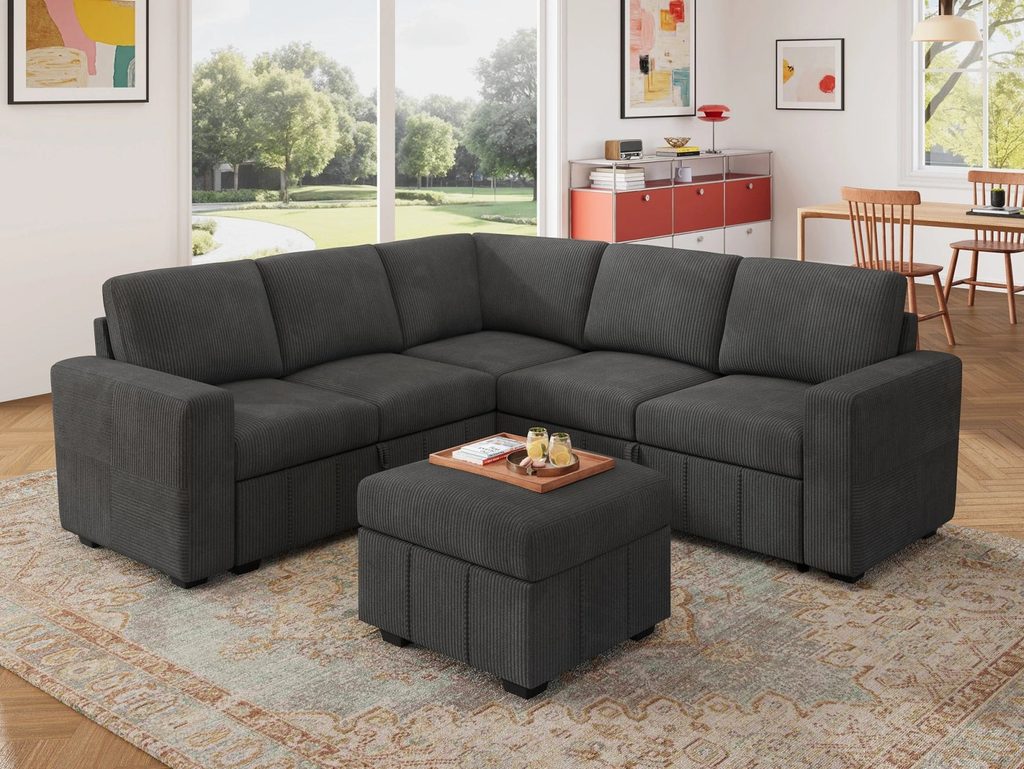
Most living rooms are designed once and lived with for a decade. The couch faces the TV, the coffee table sits in the middle, the armchair tucks into a corner nobody uses, and everyone just accepts it. Then a baby arrives, or a roommate moves in, or the TV moves to a projector wall, and suddenly the same room feels wrong. The problem is rarely the room. The problem is that the biggest piece of furniture in it was never designed to change.
A modular sofa flips that equation. Instead of committing to one silhouette forever, you buy a system of pieces that reconfigure whenever life does. A three-seat run today, an L-shape next year, a sleeper module when the in-laws visit, a smaller footprint when you move. It sounds like a small change, but it quietly rewrites how you think about a living room. This piece walks through why fixed sofas keep failing modern homes, how modular design solves the layout trap, and what to look for if you want a system that actually pays off over time.
The Problem With Fixed Sofas
A traditional sofa forces every other decision in the room. Once the couch is against a specific wall, the coffee table has one spot to sit, the rug has one size that works, the TV has one place to hang, and traffic moves through the room in exactly one way. Any change to your life — new baby, new job, new hobby — requires the whole room to be renegotiated around a piece of furniture that will not move gracefully.
The other problem is scale. Fixed sofas are sold in fixed sizes. You buy the loveseat for the studio and then move into a two-bedroom where it looks lost, or you buy the sectional for the big living room and then downsize to an apartment where it barely fits through the door. Neither piece can grow or shrink, so both eventually get replaced. That is a cycle most households have accepted as normal, but it is not the only option.
How Modular Design Solves the Layout Trap
Modular seating is built on interchangeable parts. Individual seats, armless middles, corner sections, ottomans, and sleeper modules all connect with the same hardware, so you can arrange them into almost any shape and rearrange them whenever the room asks for something different. That flexibility is the whole point. A well-designed modular sofa is not one piece of furniture — it is a kit of parts you assemble around the way you actually live.
The systems that work best over time share a few traits. They use hidden metal or clip connectors that lock the pieces tightly together so the sofa reads as one silhouette rather than a set of standalone chairs. They offer additional pieces as separate purchases years after the initial buy, so you can extend the system without replacing it. And they publish their measurements clearly, so a piece bought today will match a piece bought three years from now.
Reconfiguring for Different Life Chapters
Consider the same set of modular pieces across a decade. In a single person’s first apartment, the system might be a three-seat run against the long wall, with an ottoman doubling as a coffee table. When they move in with a partner and pick up a bigger place, the same pieces reconfigure into an L-shape with a chaise. A few years later, when a child arrives, a sleeper module joins the set to accommodate visiting grandparents. Down the road, when the kids move out and the parents downsize, the corner piece stays and the extras are sold or moved to a den.
Every stage of that story would require a completely new sofa with a traditional purchase. With a modular system, the initial investment stretches across the transitions and only grows in specific, useful ways. You spend less over time and end up with rooms that always fit your current life, not a life you had five years ago.
Small-Room Wins You Cannot Get Any Other Way
Modular design is especially powerful in small spaces, where every inch has to earn its place. Because the pieces separate, you can move a two-seat run through a narrow doorway that a solid three-seater would never clear. That solves the elevator-and-hallway problem that stops so many apartment dwellers from buying a real sofa in the first place.
Once inside, the same modularity lets you reshape the layout when the room needs to do something different. Split the sofa apart for a dinner party so guests can face each other in a lounge arrangement. Pull the chaise piece out to the middle of the room for a lazy Saturday. Add a sleeper module for a friend staying over the weekend. In a small home, that adaptability is not a luxury feature — it is what turns a cramped studio into a room that works for more than one purpose.
Buying With the Long Game in Mind
The math on modular seating only works if you buy into a system that will still exist in five years. Look for brands with a track record of keeping the same connector standards and cover options in production, and ask whether individual pieces are sold separately. If a company only sells complete sets, the modular framing is more marketing than reality.
Consider the cover story too. Washable, replaceable covers turn a modular sofa into a piece that can outlast its own upholstery, which is the difference between a ten-year sofa and a three-year one. HONBAY builds many of its systems with zippered, machine-washable covers precisely because a modular sofa should keep looking new even after the fabric has taken a decade of wear. That kind of design choice is where a system’s long-term value actually lives.
Furniture That Moves With You
A modular sofa is not just a couch. It is a bet that your life will keep changing and that the furniture in your living room should keep up. It is a way out of the cycle of buying, outgrowing, and replacing every five years, and a way into rooms that quietly adapt to whatever the current season of your life asks of them. If you plan to move, grow a family, work from home more or less, or simply rearrange the room every once in a while just for the fun of it, a modular system pays back the initial thought many times over. Choose a system with a proven cover program, connectors you can rearrange without tools, and individual pieces available for years after your first purchase. Do that and you will stop shopping for sofas — because the one you already own will keep becoming the sofa you need.