
The Science Powering Photon LED Light Therapy Today
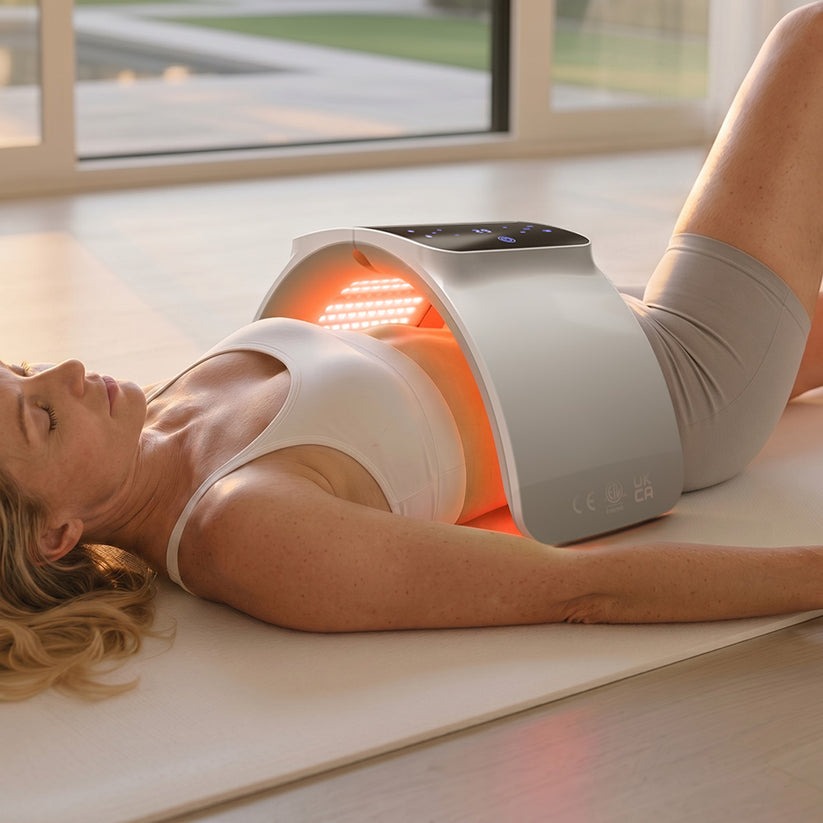
Photon LED light therapy has moved from professional dermatology clinics into mainstream home wellness in a compressed timeline. The mask, panel, and wand formats now sold under this label share a common technical foundation — the use of light-emitting diodes to deliver specific wavelengths of visible and near-infrared light to skin and tissue. What separates a serious device from a flashy accessory is the science behind those wavelengths, the quality of the diodes producing them, and the calibration that determines how much light actually reaches the tissue you want to treat.
This article looks at that science with a clear head. It walks through what makes photon LED therapy distinct from older light-based approaches, how to read a wavelength chart without a physics background, and where the format is being adopted most widely today. The goal is not to sell you on the category, which is easy enough to research through review sites. It is to give you the vocabulary to evaluate specific devices on their own merits rather than by marketing copy alone.
What Distinguishes Photon LED From Older Light Sources
Light therapy is not new. Sun lamps, infrared bulbs, and specialized laser systems have been used for decades in dermatology, sports medicine, and general wellness. What changed with photon LED technology is the combination of precision, safety, and accessibility that older light sources could not match.
Traditional broad-spectrum bulbs emit a wide range of wavelengths at once. Some of those wavelengths do useful work; others are simply thermal load that heats the skin without therapeutic effect. Lasers deliver a single, narrow wavelength with high intensity, which is excellent for targeted clinical procedures but expensive and often overpowered for home use. Photon LEDs occupy the useful middle ground. They emit narrow bands of light — narrow enough to be therapeutically specific, wide enough to cover multiple target tissues, and cool enough to run for long sessions without discomfort.
That combination is the foundation for the entire home wellness category. A well-designed photon led light therapy system uses selected diodes tuned to the wavelengths that produce the clearest response in skin and near-surface tissue, without the thermal problems of a bulb or the complexity of a laser. BestQool builds its consumer-facing devices around that principle, which is why the LED format has become the practical default for at-home use.
The safety profile is another distinguishing factor. Photon LED devices at consumer power levels do not produce meaningful UV output, do not risk retinal damage at normal use distances, and do not require the training a clinical laser system does. That accessibility is why the category grew — a professional-adjacent effect delivered through a device that a non-professional can use responsibly.
The trade-off is dose. Home devices deliver lower peak intensity than clinical equipment. Users compensate with longer, more frequent sessions. The math works out; consistency at moderate intensity produces changes similar to shorter bursts of clinical treatment.
Reading the Wavelength Chart Without a Physics Degree
Every serious device page lists its wavelengths in nanometers. Those numbers are the single most important spec on the page, and they are also the least understood by first-time buyers.
Red Light in the Visible Range
Wavelengths around the mid-600 nanometer range sit in the visible red band. This is the light you see when the device is on — that unmistakable crimson glow. Red wavelengths penetrate the top few millimeters of skin and interact primarily with surface tissue: skin cells, upper dermal structures, and the small blood vessels near the surface. Devices marketed for skin tone, redness, and superficial cosmetic effects tend to concentrate output in this band.
Near-Infrared Beyond What You Can See
Wavelengths in the mid-800 nanometer range are near-infrared. You cannot see them, but they penetrate deeper — reaching into muscle, joint capsule, and other subsurface tissue. Devices marketed for pain, recovery, and joint support lean heavily on this band. A high-quality device typically combines both red and near-infrared so the same session addresses surface and depth simultaneously.
Why Some Devices Add Other Colors
Some photon LED devices include blue light around the mid-400 nanometer range, aimed at surface bacteria. Others add yellow, green, or amber wavelengths for specific cosmetic effects. These additions are legitimate for the outcomes they claim, but the core therapeutic effect people are usually after — the general recovery and skin-quality benefits — comes from the red and near-infrared bands. Treat additional colors as bonuses rather than requirements.
The wavelength chart tells you what the device is designed to do. A mask heavy on the red band is a skin-focused device. A panel weighted toward near-infrared is a recovery-focused device. A device claiming to do everything with a broad rainbow of colors is often spreading its output too thin to excel at any single application. Pick a device whose wavelength distribution matches the outcome you want.
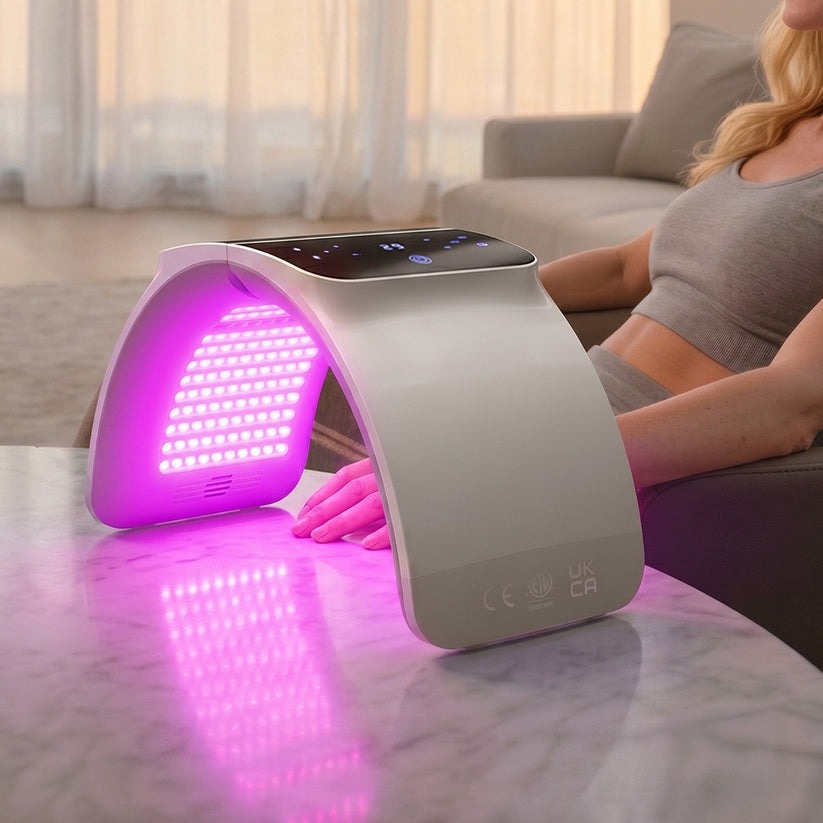
Where Photon Masks and Panels Are Being Adopted
The adoption curve for photon LED devices has followed predictable paths through consumer markets. Understanding where the format has landed helps you position your own decision.
Facial masks are the most visible category. Adoption has been driven by skincare-focused users who wanted the effect of professional treatments without the appointment cost. Masks with well-calibrated red and near-infrared diodes are now a routine part of at-home skincare, sitting alongside serums and retinols in the same evening ritual.
Full-panel adoption has been slower but steadier. The audience is a mix of athletes doing recovery, chronic-pain users treating multiple joints, and general wellness adopters who like the ritual of a longer session. Panels are less viral on social media but see higher engagement per user; someone who buys a panel is likely to use it daily, while a mask often becomes a two-or-three-times-a-week accessory.
Wearable pads and belts occupy the third growth zone. This category grew because panels demanded space and masks were skin-only. A pad on a knee or a belt on a lower back fills the coverage gap for specific pain and recovery use cases.
Clinical adoption continues in parallel. Dermatology offices use professional-grade LED devices for controlled treatment protocols, and physical therapy practices increasingly stock the technology for post-injury recovery. The overlap between clinical and home devices — same base technology, different power ratings — is why users can achieve a real percentage of clinical results at home over time.
The category is not a fad. It has clinical foundation, growing adoption across parallel channels, and an active research base that continues to expand what is known.
Common Misconceptions Worth Correcting
Even useful technologies attract confused expectations. Correcting a few common misconceptions helps set your baseline for what a device can and cannot do.
The first misconception is instant results. Photon LED therapy is a slow-acting modality. Skin changes appear over three to four weeks of daily use; muscle and joint benefits often take longer. Users who quit after two weeks because they did not see change usually walked away just as change was starting to show.
The second is dosage inflation. Longer is not automatically better. A twenty-minute session at appropriate distance produces the results the device is designed for. Doubling the time does not double the effect; it just extends the session. Overexposure can produce mild skin irritation that muddies the picture and makes it harder to tell what the device is actually doing.
The third is spec worship. Bigger numbers on a spec sheet do not guarantee better outcomes. A device with modest power but honest calibration, wavelengths matched to your goals, and comfortable use characteristics will outperform a spec-inflated competitor you never use.
The fourth is universal effect. Photon LED does not fix everything. It supports skin health, recovery, and certain kinds of discomfort. It does not treat systemic disease, cure conditions that require medical intervention, or replace evidence-based medical care for anything that needs it. Consumer devices are wellness tools, and treating them as such produces the best experience.
Correcting expectations up front is what separates users who are satisfied at month three from users who abandoned the device at week two and blamed the technology.
The Take-Home on Photon LED
Photon LED light therapy has earned its place in the home wellness toolkit because the science is real, the safety profile is comfortable at consumer power levels, and the adoption path has been steady across multiple user categories. That said, no device delivers on the label without the user doing the work of consistency. The most important variables — wavelength choice, session duration, distance, frequency — are the ones under your control, not the ones printed on the box.
Approach a device purchase like any other tool acquisition. Match the wavelength distribution to what you want to change. Confirm the power output is appropriate for the distance you will actually use. Plan when the session will happen in your day. The device is a means; the routine is the mechanism. When those two pieces line up, photon LED delivers on what the category promises. When they do not, no device wattage compensates. The category is mature enough now to reward serious buyers, and the science behind it makes that maturity possible.